
A Research-Driven Breakdown of the 3 Most Popular Home Energy Solutions (And the One Most People Overpay For)
The Energy Cost Trap: Why Most Homeowners Are Losing Money Without Realizing It
Let’s start with something uncomfortable…
👉 Most homeowners are overpaying for electricity — and they don’t even know it.
It’s not just about rising costs.
It’s about how the system is designed.
-
You pay every month
-
Prices increase unpredictably
-
And your only “choice” is to keep paying
Now, when people finally decide to break out of this cycle, they usually consider three options:
-
Solar panels
-
Backup generators
-
DIY energy systems
But here’s the problem…
👉 Most people choose the wrong one.
And it ends up costing them thousands.
Why This Comparison Matters More Than Ever
We’re entering a time where:
-
Energy prices are rising globally
-
Power outages are becoming more common
-
Independence is becoming valuable
So choosing the right solution isn’t just about saving money anymore.
👉 It’s about control, security, and long-term strategy.
Option #1: Solar Panels (The “Popular” Choice)
Let’s start with the most marketed option.
✅ Pros of Solar:
-
Renewable energy source
-
Can power your entire home
-
Long-term savings potential
❌ Cons of Solar:
-
High upfront cost ($5,000–$20,000+)
-
Installation complexity
-
Long ROI (5–10 years)
-
Maintenance and efficiency issues
👉 Solar is powerful — but it’s not for everyone.
Especially if you:
-
Don’t have the budget
-
Need faster results
-
Want flexibility
Option #2: Traditional Generators (The Emergency Backup)
Next up: fuel-powered generators.
✅ Pros:
-
Instant power during outages
-
Easy to use
-
Reliable in emergencies
❌ Cons:
-
Fuel costs add up quickly
-
No long-term savings
-
Noise and maintenance
-
Not environmentally friendly
👉 Generators are great for emergencies…
But terrible for saving money.
Option #3: DIY Energy Systems (The Underrated Solution)
Now we get to the option most people overlook.
👉 DIY energy systems.
These are small-scale setups you build yourself using a structured guide.
One of the most talked-about systems right now is:
🔗 First, Get the Full Context (Don’t Skip These)
Before we go deeper, make sure you’ve read the previous breakdowns:
👉 READ THE FULL POWER GRID GENERATOR REVIEW
👉 LEARN HOW TO BUILD YOUR OWN ENERGY SOURCE
👉 DISCOVER HOW TO CUT ELECTRICITY BILLS WITHOUT SOLAR
These will give you the full picture.
What Makes DIY Energy Systems So Powerful?
Unlike solar or generators…
👉 DIY systems are about control and flexibility.
You’re not buying a finished product.
You’re learning how to build and manage your own energy.
How the Power Grid Generator Fits Into This
Let’s be clear:
👉 This is NOT a physical device.
It’s a step-by-step blueprint system that teaches you how to:
✔ Build your own small-scale generator
✔ Reduce reliance on the grid
✔ Create backup power affordably
Real Cost Comparison (This Is Where Things Get Interesting)
Let’s compare all three options side by side.
💸 Solar Panels:
-
Cost: $5,000–$20,000+
-
ROI: 5–10 years
⛽ Generators:
-
Cost: $500–$2,000
-
Ongoing fuel expenses
⚡ DIY Energy System:
-
Blueprint: Under $50
-
Parts: $70–$200
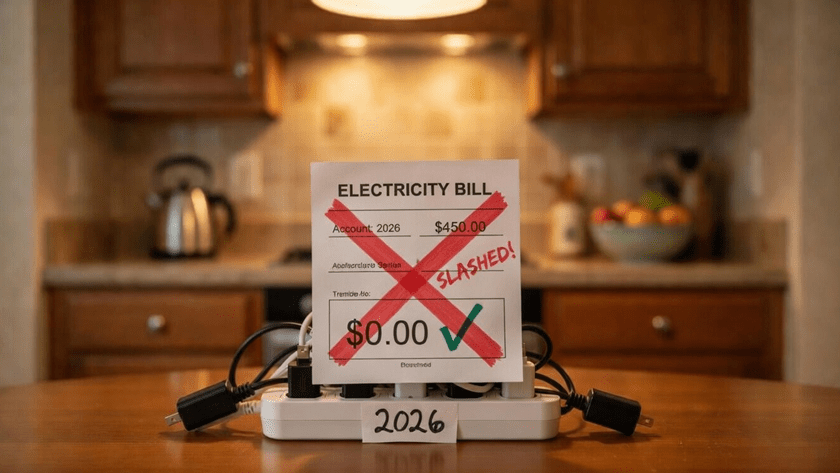
👉 The difference is massive.
Why Most People Overpay (And Don’t Realize It)
Here’s what usually happens:
-
People hear about solar
-
They assume it’s the only option
-
They spend thousands
Without ever considering:
👉 A low-cost starting point.
The Smart Strategy (What Experienced People Actually Do)
Instead of going all-in immediately…
Smart homeowners:
✔ Start with a DIY system
✔ Learn how energy works
✔ Reduce partial usage
✔ Then expand if needed
👉 This minimizes risk and maximizes control.
My Research-Based Insight (What Stood Out)
After analyzing all three options, one thing became obvious:
👉 DIY energy systems offer the highest learning value per dollar.
You’re not just buying energy.
You’re gaining:
-
Knowledge
-
Skills
-
Flexibility
And that’s something solar panels alone don’t give you.
What You Can Actually Expect From a DIY System
Let’s keep expectations realistic.
✅ You CAN:
-
Power small appliances
-
Charge devices
-
Reduce electricity usage
-
Have backup power
❌ You CAN’T:
-
Replace your entire home instantly
-
Eliminate bills overnight
Why Even Partial Savings Matter
Let’s say you reduce your bill by:
-
10%
-
20%
-
30%
Over time, that adds up significantly.
And more importantly:
👉 You gain independence.

🔗 Ready to Take Control?
If you’re serious about starting with a DIY system:
👉 CLICK HERE TO ACCESS POWER GRID GENERATOR
Common Mistakes to Avoid
❌ Jumping Straight Into Expensive Systems
Start small and scale
❌ Expecting Instant Results
This is a process
❌ Ignoring Learning Opportunities
The knowledge is the real asset
The Future of Home Energy (Where This Is Heading)
We’re moving toward a world where:
-
Energy independence becomes normal
-
DIY solutions become mainstream
-
Costs continue to rise
👉 The question is:
Will you adapt early…
Or pay more later?
Pros and Cons Summary
DIY Energy System
✅ Pros:
-
Extremely affordable
-
Flexible and scalable
-
Educational
-
Reduces dependency
❌ Cons:
-
Requires effort
-
Not plug-and-play
-
Limited output
The Real Winner
Let’s answer the main question:
👉 Which option saves the most money?
Short Term:
DIY Energy System ✅
Long Term:
Solar (but only if you can afford it)
Emergency:
Generator
👉 But if you want the best starting point?
DIY wins.
Let’s not overcomplicate this.
Right now, you have two paths:
Path 1:
Keep paying rising electricity bills
Stay dependent
Hope nothing changes
Path 2:
Start learning
Start building
Start taking control
👉 The choice is yours.
⚡ Take Action Now:
✔ Learn how to build your own energy system
✔ Start reducing your electricity costs
✔ Gain real control over your power
🔥 CLICK HERE TO GET POWER GRID GENERATOR NOW
